Are Battery Storage Facilities Safe? What a Fire Marshal Says
When developers plan a new battery storage facility for your community, it’s only natural to ask: are battery storage facilities actually safe?
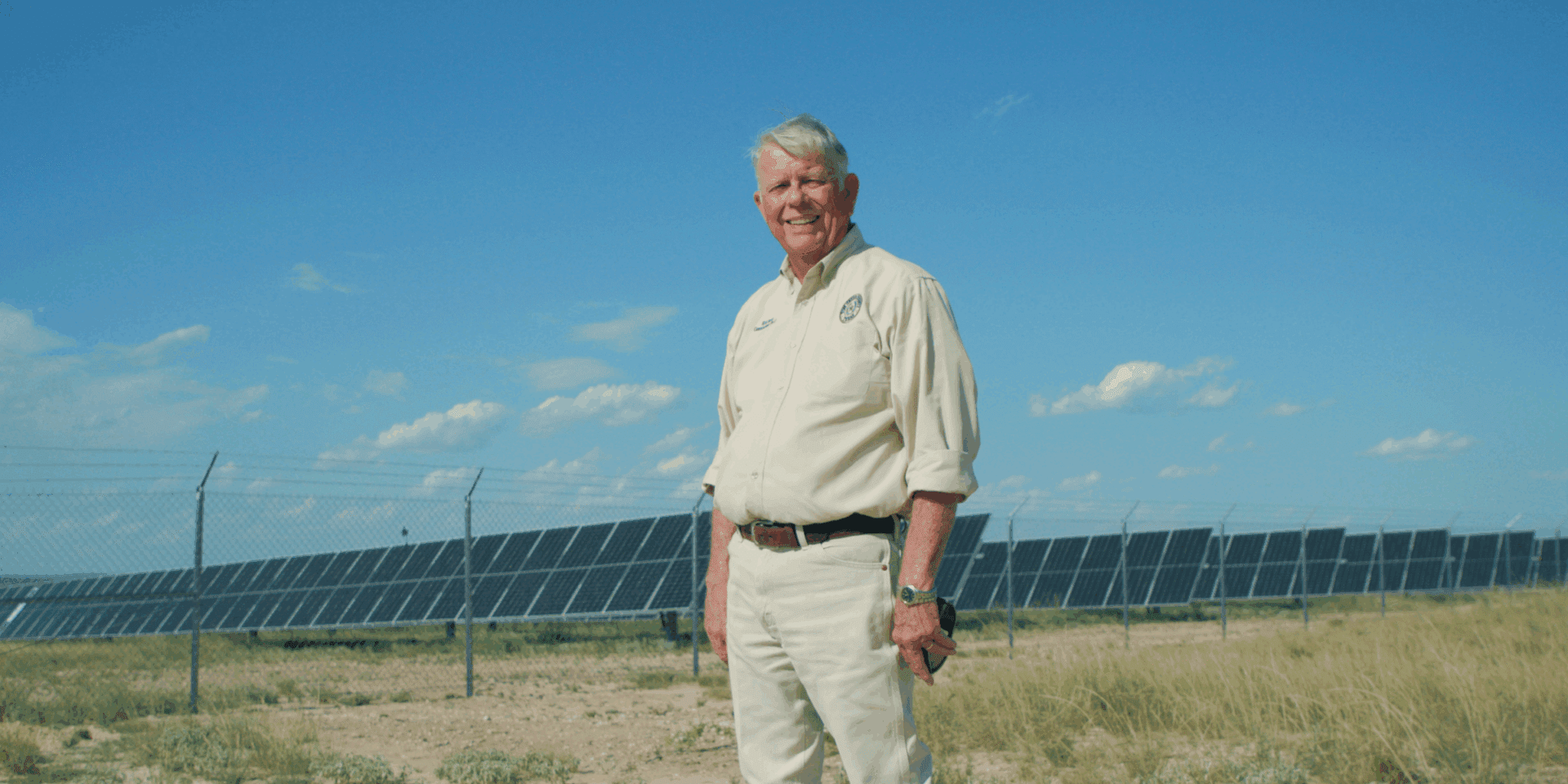
It’s a fair question. When we see alarming headlines about lithium-ion battery fires, that sense of concern is understandable. It’s our protective instinct checking in. We all want to feel secure in the places where we live, raise our families, and in the communities we love. To get an on-field perspective, we spoke with James, a deputy fire chief and marshal for Taos County Fire and Rescue in New Mexico. James has been on the front lines for 18 years. He manages a vast, 1,800-square-mile territory that includes wildland areas where fire is a constant, looming threat. He’s seen just about everything, and here is what he shared with us about safety.
Has Battery Storage Ever Caused a Fire in Taos County?
When we asked James about battery storage incidents in his county, his answer was direct, “We haven’t seen any.” This isn’t just luck. Developers design these facilities with safety as a top priority, requiring extensive planning and oversight before a single battery arrives on-site. James emphasized that daily threats, like lightning strikes or human error, are inherently chaotic and unpredictable. But for a firefighter, a battery facility is a completely different kind of challenge; it’s a “controlled variable.” It’s something they’ve studied, mapped, and trained for. While they can’t prevent lightning, they can plan for potential risks in a facility.
James states that the biggest challenge isn’t a fire starting, but managing one if it does. His first focus is on stopping a fire from jumping from one battery pack to another or, even more crucially, preventing it from reaching the surrounding wildland. It’s a responsibility that carries significant weight, and it’s why crews analyze the geography and spacing of these sites so thoroughly before anyone breaks ground.
It’s also worth noting that fighting a battery fire is a completely different world from a house fire or a forest fire. While we usually think of fire trucks and hoses, battery fire incidents require crews to rely on power shutoffs and rerouting energy. This transition requires our firefighters to constantly learn and adapt to new technologies. It’s a testament to their dedication that they spend so many hours in rigorous training, mastering these new techniques just to ensure that if the unthinkable happens, they are ready to contain it immediately and keep our neighborhoods powered and safe.
What Actually Makes These Facilities Safe?
Beyond the training of our first responders, the facilities themselves are built with several layers of built-in protection. They are strict requirements enforced by safety codes:
- Automatic fire detection and suppression systems are built into each battery unit
- Spacing between units to slow the spread of a potential fire
- Regular inspections and monitoring for early signs of overheating
- Emergency response plans are developed with local fire departments before a facility opens
These safety obligations aren’t optional suggestions or add ons. They are the reason why experts like James feel confident in battery storage systems. Properly designed and maintained, they represent a very different kind of risk than most people might expect.
This move toward storage is happening fast. In 2026 alone, developers are planning to add over 24 gigawatts of new capacity. This means more of our neighbors in places like Taos will be seeing these projects soon. Battery storage is becoming the backbone of a grid that keeps the lights on during those scary summer heatwaves or winter storms. At GoodPower, we see storage as a vital partner to solar and wind, helping us build a system that produces reliable, affordable power for every family it serves.
Is Battery Storage Safe for Communities Like Yours?
Other communities across the country are having the same experience Taos has. In Massachusetts, fire officials have found that serious incidents remain incredibly rare when systems are handled with the respect and professional oversight they deserve. It brings us back to what James said: the biggest threat to his county isn’t the new battery facility down the road, it’s the wildfires that have always been there. By focusing on smart, safe infrastructure, we can actually make our communities more resilient against those older, more familiar threats.
So, are battery storage facilities safe? It’s a question that deserves a human answer. When we look at the facts and listen to the people who dedicate their lives to keeping us safe, the consensus is clear. These facilities are safe when they are designed, installed, and maintained with the care they require. At the end of the day, battery storage facilities aren’t another typical piece of industrial equipment. They are the tools we’re using to build a future where the power doesn’t go out when you need it most. Most of us already see that potential, and together, we’re building an energy system that we can finally feel good about.