Arizonans’ Perceptions of Battery Energy Storage Systems
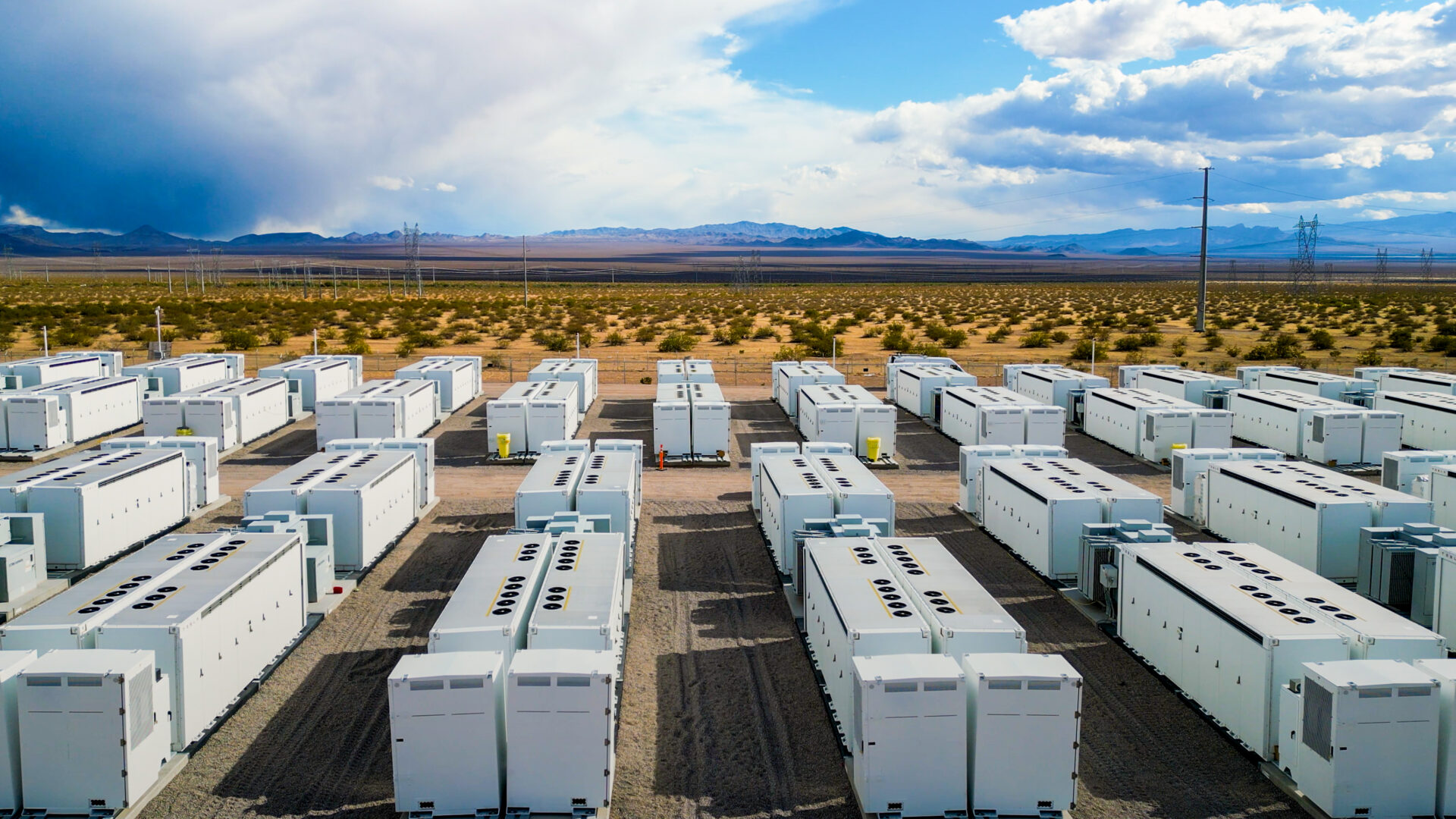
GoodPower’s Good Data Lab conducted a multi-method study of public perceptions about battery energy storage systems (BESS) in Arizona to understand how project neighbors view this growing industry. We surveyed 501 people living within three miles of a battery storage project about their awareness, perceptions, and support for the technology, and what information and messengers would persuade them of its benefits and safety. We also conducted six focus groups, four with residents of Pinal and Maricopa counties (n=30) and two with residents of rural Arizona (n=12), to gain more nuanced insight into how Arizonans experience and talk about energy issues and battery storage.
Overall, people were largely unfamiliar with battery storage and knew little about how the technology worked. The potential for battery storage to lower electricity bills and improve grid reliability was seen as a positive, but people were skeptical it could deliver on those promises. Concerns focused on fire risk, environmental impact, and battery performance in Arizona’s summer heat, more than specific BESS misinformation. Concerns and negative views were more common among conservative and rural participants.
Key Findings
Awareness is low, but sentiment isn’t hostile.
Most project neighbors, 60%, said they knew nothing or not much about battery storage, and only 22% were aware of a project near them. Despite that, support for battery storage outweighed opposition overall: 44% supported it in their own community, slightly behind solar (58%) and wind (48%), but ahead of fossil fuel infrastructure (37 to 40%). More than a quarter of respondents, 27%, remained unsure. Views on a specific local project split similarly: 42% had no opinion, and among those who did, support led opposition 30% to 19%, an 11-point gap.
People want savings and reliability, but doubt battery storage can deliver them.
BESS neighbors believed the technology would strengthen energy independence (56%) and grid reliability (58%), but doubted it would lower their bills: 46% expected no change to their electricity costs, and 36% expected costs to rise. Focus group participants echoed this doubt. High electricity bills were top of mind, especially in summer heat, and cost savings were the benefit people wanted most, but many worried costs would get passed onto ratepayers instead of delivering savings. People wanted concrete evidence that savings would actually reach them, plus accountability measures to guarantee it.
Concerns center on fire, environmental impact, and heat, not organized misinformation.
When asked directly, three-quarters or more of survey respondents reported feeling somewhat or very concerned about pollution (73%), fire risk (75%), and the impact of summer heat on battery storage facilities (81%), the single highest-rated concern. Focus group participants raised similar fire and heat worries, along with concerns about water contamination and toxic chemicals, though most described these as general concerns about industrial development rather than specific to battery storage. Widespread misinformation about BESS itself hasn’t taken hold. But conservative, rural participants often applied their existing skepticism of renewable energy, including claims about destructive mining, to battery storage instead. That points to an opening: GoodPower can get ahead of opposition messaging before it hardens into a settled narrative.
Messaging on cost savings and reliability works, including with skeptical audiences.
Specific information reduced concern: details on battery types lowered concern by 4.1%, and information on the industry’s fire safety record lowered it by 10.3%. Messaging moved people too. A large majority of survey respondents found grid reliability, lower costs, boosting renewables, energy independence, and tax revenue convincing reasons to support battery storage development. Even conservative and rural participants, the most skeptical groups, found messaging about grid reliability and cost savings persuasive. Support also rose when companies committed to local accountability: 64% of neighbors said they’d more likely support a project if the company signed a community benefits agreement, and 57% said the same about local firefighting investment. Neighbors trusted emergency services and fire department staff (58%) most, followed by other people living near battery storage sites (49%) and energy-focused nonprofits (46%).