Battery Storage Technician Jobs: What the Work is Really Like
Battery storage technician jobs are among the fastest-growing roles in the energy sector, and when you take a closer look, it’s easy to see why.
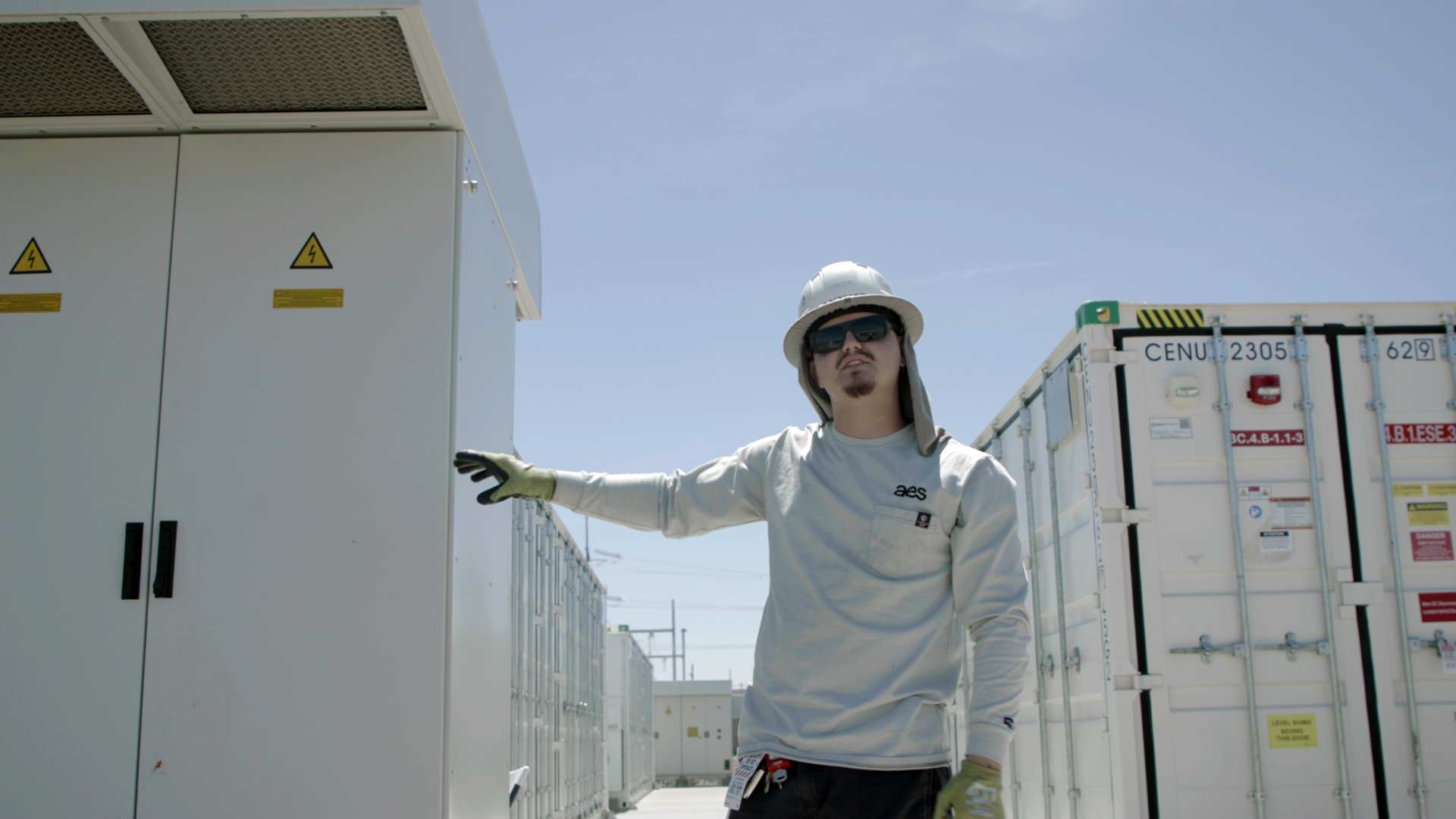
The pay is competitive, the demand is heavy, and no four-year degree is required to get started. Tyler spent years welding, working structural steel, and traveling between solar sites before he found something that let him settle down with his family in Arizona. Today, he’s a BESS (battery energy storage system) technician, keeping batteries that power local homes running safely and smoothly. Here’s what the job entails, what it pays, and why more workers like Tyler are moving into this field.
What Does a Battery Storage Technician Actually Do Day to Day?
The work starts with checking on production and looking for any units that went down overnight. Some days, a handful of contractors are on site, so part of the job is making sure they are set up and ready to go. From there, the crew divides up tasks based on whatever problems they encounter that day.
Tyler explains that the job is not what people might expect: “There’s going to be problems that you come across that you have to think outside the box on, and it’s not easily solvable.” The mindset that works, he explained, is simple: figure it out, do it right, and do it safely.
Battery storage is also a much bigger field than most people realize. Battery storage technician jobs are not limited to just building the site. Someone has to maintain the equipment and bring it back online when something goes wrong, long after the facility is up and running.
How Much Do Battery Storage Technician Jobs Pay?
Pay varies by employer, location, and experience, but battery storage technician jobs are solidly competitive. National salary data from ZipRecruiter puts the average BESS technician salary at roughly $57,000 a year, or about $27 an hour, with top earners bringing home over $81,000. Entry-level roles typically start lower and build from there as technicians gain certifications and experience.
Tyler put it plainly, “Pay here is very competitive. Benefits are amazing.” For him, solid benefits mean less coming out of his own pocket, which translates directly into more money he can put toward his son’s future.
Why Are Battery Storage Technician Jobs in High Demand Right Now?
The industry is building faster than it can staff. U.S. battery storage deployments jumped 29% in 2025 alone, and states like Arizona are among those expected to stay especially busy. Every new facility needs people to install, monitor, and keep it running.
Tyler has felt that demand firsthand. “As long as I’ve been in renewables, work hasn’t dried up for me,” he said. “So, I think that’s a sign right there. This is the future.” The U.S. Department of Energy’s annual jobs report found that energy storage was one of the fastest-growing segments of the energy workforce, with roughly three out of every four new storage jobs going to battery storage. That growth is exactly why battery storage technician jobs keep opening up in communities like Tyler’s.
What Benefits Come with a Career in Battery Storage?
Beyond the paycheck, Tyler points to a sense of security he hasn’t found in other trades. If his family hits a hardship, he knows his benefits will help absorb some of the cost. That stability changes how he shows up for the job.
“Working here, I’ve definitely felt taken care of,” he said. “That allows me to take on every day with a sort of passion and a commitment to the job, because I know that it’s going to commit back to me.” For Tyler, that shows up at home too. When he talks about his work, his fiancée can see it. And every morning, he makes his family a promise: he’s coming back.
Is Battery Storage a Good Career Move for You?
If you’ve worked in welding, electrical, HVAC, or another hands-on trade, a lot of that experience carries over directly. Battery storage technician jobs reward people who are comfortable troubleshooting equipment in the field and can adapt when something doesn’t go according to plan. These are the exact instincts Tyler has built over the years in construction and solar.
Renewable energy is creating real jobs in communities like Tyler’s, and those jobs feed back into lower local energy prices. “The more energy that we could create, sustain, and provide reliably, that will reflect in what you’re paying day-to-day,” he said. “Especially in today’s economy, any difference is a lot.”
For Tyler, a battery storage technician job wasn’t just a career change. It was a way to stay close to his family, earn steady pay, and build something that gives back to his community. As battery storage keeps expanding across the country, the same path is opening up for a lot more workers looking for stable, well-paid, local work.
See how GoodPower is working to expand good-paying local jobs in the energy transition.