GoodPower CEO Leah Qusba Breaks Down How to Fight Disinformation on Volts
GoodPower CEO Leah Qusba joined journalist David Roberts on the Volts podcast this week to discuss how the organization fights clean energy disinformation, detailing rapid-response campaigns during extreme weather events, and a new AI tool that flags manufactured public comments in regulatory proceedings.
The Narratives Behind Clean Energy Disinformation
GoodPower focuses on a dozen recurring false narratives about clean energy, out of roughly three dozen tracked by researchers at Columbia’s Sabin Center. The most persistent claims include the idea that renewables are inherently unreliable, that clean energy manufacturing creates dangerous dependence on China, and, increasingly, that solar and wind projects threaten farmland. The organization traces much of this messaging to a well-funded, loosely coordinated network of fossil fuel interests.
A Network of Credible Messengers
GoodPower built a network of thousands of voices and content creators outside the clean energy space entirely. This includes a longtime Wisconsin farmer, Shelly, who has hosted wind turbines for two decades to paid creators in unrelated niches such as automotive, parents, wellness, teachers, farmers, beauty, comedic content. The organization targets audiences who are actively skeptical of clean energy rather than those already supportive.
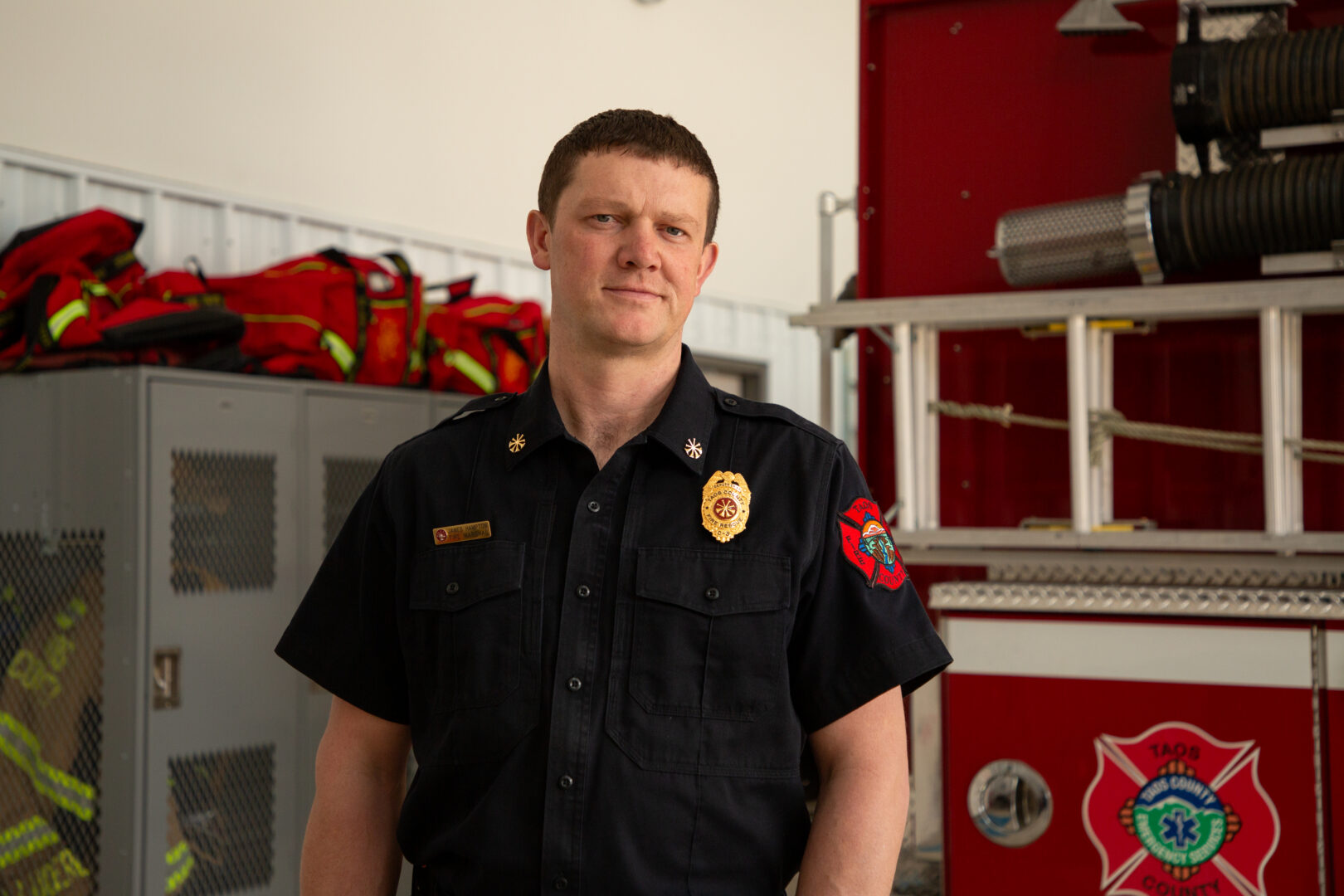
When concerns have a factual basis, such as the Moss Landing battery fire, GoodPower lets trusted local voices speak directly, including a Taos, New Mexico fire chief who told GoodPower his department has never responded to a battery storage fire incident.
Rapid Response to Clean Energy Disinformation
GoodPower also runs an overnight system that scans news coverage and social platforms for emerging disinformation and delivers a briefing to its team each morning. During Winter Storm Fern, the system flagged the storm days in advance, allowing GoodPower to brief creators before outages hit and generate millions of views on content explaining the real causes of grid failures ahead of the wave of blame typically aimed at renewables. The organization has since run more than 20 rapid-response deployments, reaching close to 70 million impressions.
In a controlled study across 80 counties, GoodPower found that exposing residents to real stories from nearby communities that already hosted renewable energy infrastructure produced an 11-point increase in support over three months, compared to a matched control group. Qusba said the effect fades once exposure stops, consistent with typical marketing campaigns, which is why the organization treats these efforts as sustained rather than one-time.
Detecting Manufactured Public Comments
GoodPower also built TrueVoice, a tool that analyzes public comments submitted to regulatory dockets for signs of manufactured opposition or support, examining submission timing, geographic origin, and duplicate content patterns. In one case involving a proposed solar project in Ohio, GoodPower’s analysis corroborated an independent Canary Media investigation, quantifying the automation at the docket level and tracing the manufactured opposition back to its source.
“We want every regulator, developer, and reporter to have that clarity when they’re weighing what’s really behind a wave of public comments,” said Qusba.
What Works Against Disinformation
On message testing, Qusba said economic security consistently outperforms other framing. Energy bills, gas prices, and job security beat arguments about competing with China, a message that dominates policy conversations in Washington, but falls flat with the public.
Listen to the full conversation between Leah Qusba and David Roberts on Volts.
About GoodPower
GoodPower has a mission to empower humanity to accelerate the global transition to a decarbonized economy. The organization works globally to unlock the enormous economic potential of the energy transition – more affordable energy bills, more good-paying jobs, healthier food, economic security for families and farmers and a fairer economy that works for all of us.