Is an Electric Car Worth It in 2026? Here’s the Real Math
Electric Vehicles Aren’t a Culture War. They’re an American Jobs Story.
Most of the debate over electric vehicles treats them as a culture war. The numbers tell a different story. Gas is back over $4 a gallon nationally, partly because of the conflict with Iran. Over the past few years, Republican-led states have captured some of the biggest wins from EV manufacturing. They built entire local economies around it. The real question isn’t left versus right. It’s whether the United States keeps the jobs, investment, and technology it already built or hands the next decade of the auto industry to someone else.
Is an Electric Car Worth It Right Now?
For most drivers, the answer has nothing to do with politics. It’s arithmetic. Consumer Reports has repeatedly found that the most popular EVs cost less to own than comparable gas-powered cars. Lower fuel and maintenance costs drive most of that gap. Rising gas prices widen it further. With the national average holding above $4 a gallon, every fill-up reminds EV owners what they’re not paying. None of this requires believing anything about climate change. It just requires doing the math on a household budget.
The Jobs Are Already Built
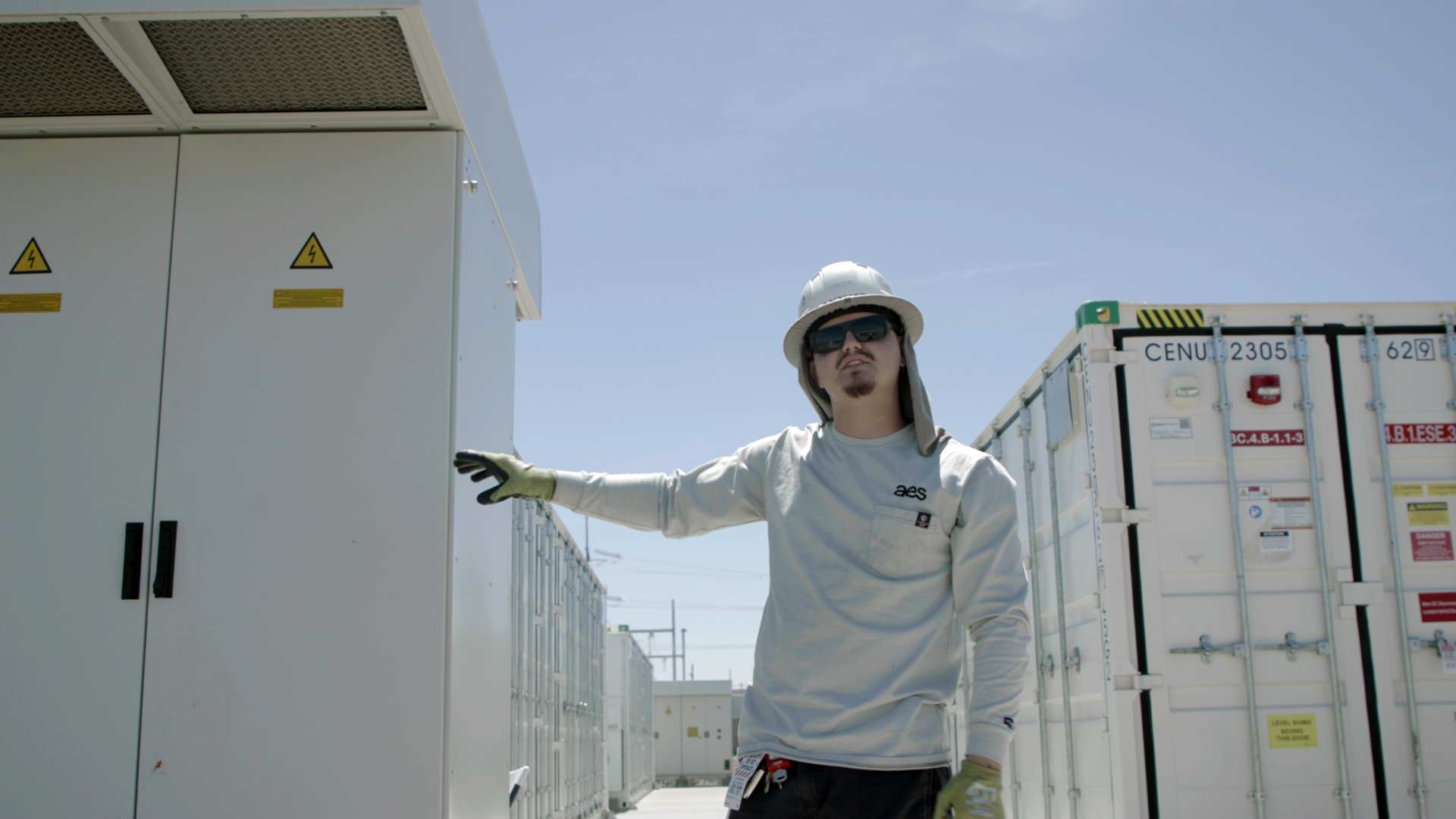
Washington is still arguing about EVs. The economy already answered the question, largely in the South. Georgia, Tennessee, and South Carolina have become some of the country’s biggest beneficiaries of EV and battery manufacturing investment. Together they’ve pulled in billions of dollars in new plants. They’ve added thousands of jobs in communities that competed hard to win them. These aren’t hypothetical jobs tied to some future climate policy. They’re steel in the ground, workers on the line, and tax revenue already flowing into local budgets. If Washington pulls back federal support now, it puts that investment, and the jobs riding on it, at real risk.
Standing Still Doesn’t Stop the Rest of the World
Even if U.S. policy retreats from EVs, global demand isn’t retreating with it. The International Energy Agency projects that electric vehicles will make up close to 30% of global car sales this year. Chinese automakers are moving fast to capture that demand. XPeng launched a new EV model in Europe this year that undercuts established competitors on price without sacrificing quality. The New York Times Magazine took a deep look at the state of the domestic industry. Its conclusion: retreating from EVs risks leaving the U.S. auto sector behind in the technology race it once led. Someone is going to build the cars of the next decade. The only question is whether that someone is us.
Who Actually Benefits From Discouraging EVs?
Strip away the framing, and the tradeoff is straightforward. Backing away from EV manufacturing doesn’t lower anyone’s gas bill. It doesn’t bring back jobs that already left. Mostly, it benefits whoever sells the alternative, whether that’s a barrel of oil or a car built overseas. Everyone else loses ground. Drivers pay more at the pump. Factory workers see promised growth stall out. The country falls further behind in the next generation of auto technology. This isn’t a story about ideology. It’s a story about whether America builds the future, or watches someone else build it first.